· NextMigrate Team
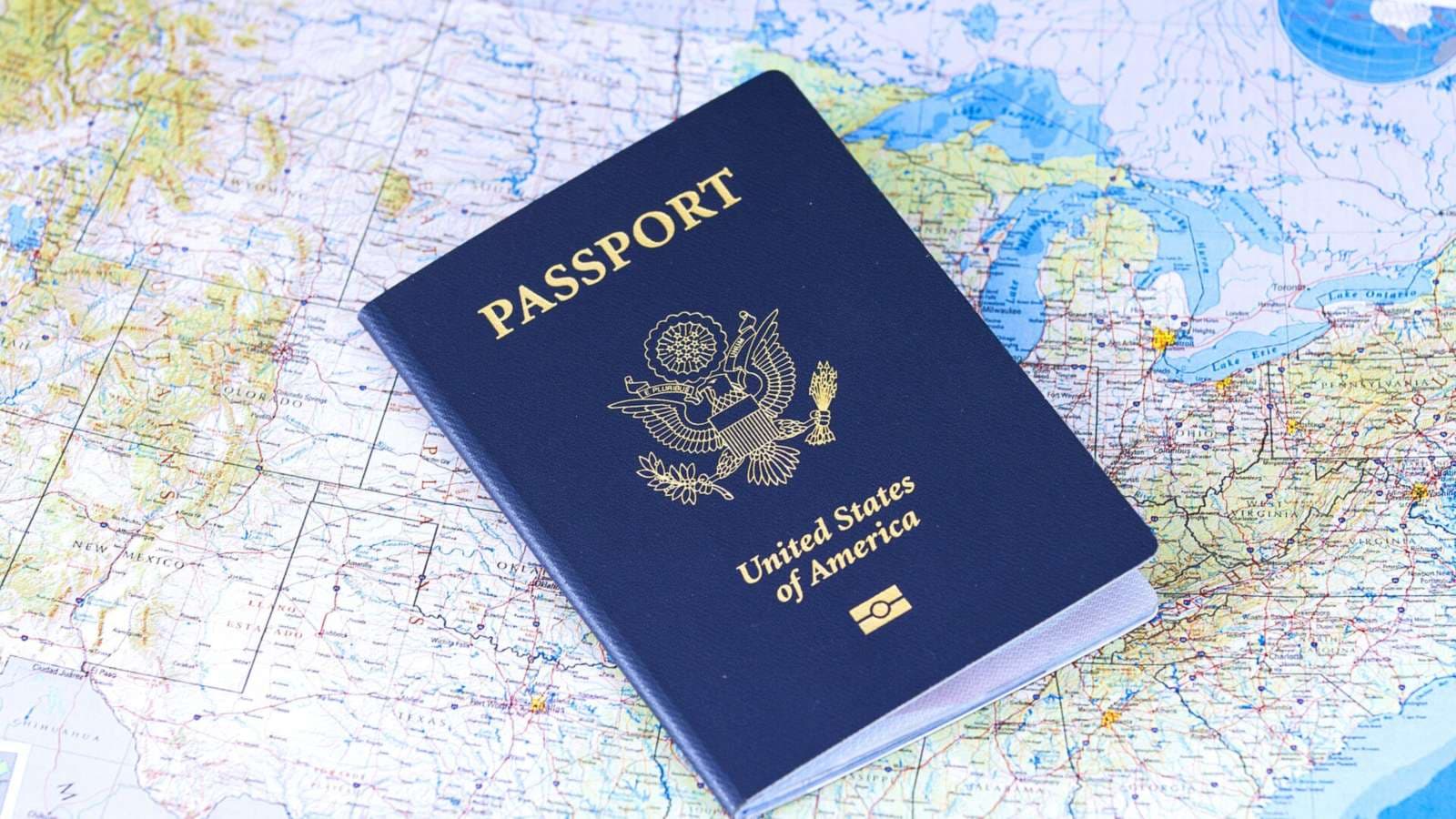
Moving Abroad From the USA: Best Countries for Americans in 2026
Imagine you are a nurse in Ohio, or a software developer in Austin, or a couple in Denver with a 6-year-old. You have watched rent, health insurance and childcare climb for years. Maybe you want a slower pace, safer streets for your kids, or simply a new chapter. Your reasons are your own. What you want now is a clear answer: where can an American actually get a visa, and what does it cost?
Here is the hard truth many "move abroad" videos skip. A US passport gets you in the door as a visitor almost anywhere. It does not give you the right to live or work there. For that, you need a visa route, just like everyone else.
The short answer: For working-age Americans, the strongest options in 2026 are Ireland (English-speaking, EU member, a work permit for skilled jobs paying €40,904 or more), the Netherlands (a special treaty lets Americans start a business with as little as €4,500 in capital), Portugal (remote workers earning about €3,680 a month can apply for the D8 visa), Germany (an EU Blue Card from €50,700, with settlement in as little as 21 months) and Canada (points-based permanent residence, close to home). Spain suits remote workers and people with passive income. Wherever you go, the US still taxes its citizens, so you must keep filing US returns. Figures are as of November 2026.
First: three things every American moving abroad should know
- You will still file US taxes. US citizens file a US return wherever they live. You may be able to exclude up to $132,900 of foreign earned income for tax year 2026, if you pass the bona fide residence test or are abroad 330 full days in a 12-month period (IRS). The foreign tax credit can also reduce double tax. Read taxes when you migrate abroad.
- Foreign bank accounts must be reported. If your foreign accounts together go above $10,000 at any time in the year, you must file an FBAR (IRS).
- Visa-free is not residence. Most of Europe lets Americans visit for up to 90 days in any 180. Staying longer, or working, needs a national visa or permit.
Six countries side by side
Official requirements for the main applicant, as of November 2026.
| Factor | Ireland | Netherlands | Portugal | Germany | Spain | Canada |
|---|---|---|---|---|---|---|
| Best route for Americans | Critical Skills Employment Permit | Highly skilled migrant, or DAFT self-employment | D8 remote work or D7 passive income | EU Blue Card | Digital nomad or non-lucrative visa | Express Entry |
| Job offer needed? | Yes | Yes for employment; no for DAFT | No | Yes | No | No |
| Money test | €40,904 salary (listed jobs) | €5,942 a month (30+), or €4,500 business capital (DAFT) | About €3,680 a month (D8) | €50,700 salary (€45,934.20 shortage jobs) | Set by Spanish consulates | C$15,263 settlement funds (single) |
| English at work? | Yes | Often | Sometimes | Sometimes | Rarely | Yes |
| Permanent residence | Long-term residence after 5 years | After 5 years, with A2 civic exam | After 5 years | 21 to 27 months (Blue Card) | Long-term residence after 5 years | Immediately |
Free eligibility check · 2 minutes
Which country would you qualify for?
6 quick questions on your age, skills and English. You get a score out of 100 and a read on each country you pick, on screen. No sign-up.
1 of 6 · When are you planning to move?
1. Ireland: the easiest cultural fit in the EU
Ireland is English-speaking, has many US tech, pharma and finance employers, and is in the EU. The Critical Skills Employment Permit covers shortage jobs paying at least €40,904 with a relevant degree, or any eligible job paying over €68,911. The permit costs €1,000, and your spouse can work. After the permit ends, you can get Stamp 4 permission to work without a permit, and after 60 months you can apply for long-term residence (Department of Enterprise). Read our comparison of Ireland's Critical Skills and General permits.
2. Netherlands: the DAFT treaty is an American advantage
The Dutch-American Friendship Treaty (DAFT) lets US citizens get a Dutch residence permit to run their own business. For a sole proprietorship, the IND asks for minimum capital of €4,500 invested in the business (IND). That is far lower than most self-employment routes in Europe. You still need a real business plan and enough income to live on.
If you would rather be employed, the highly skilled migrant permit needs a recognised employer and a salary of €5,942 a month if you are 30 or older, or €4,357 if you are under 30 (IND, 2026). After 5 years, you can apply for permanent residence if you pass the civic integration exam at level A2 (IND).
3. Portugal: popular with remote workers
Portugal links its visa income tests to the minimum wage, which is €920 a month in 2026 (Portuguese consular portal).
- D8 (remote work): income of four times the minimum wage, about €3,680 a month, from work for clients or employers outside Portugal.
- D7 (passive income): for pensions, rental income or investments. See our Portugal D7 visa guide.
One change to know: in May 2026, Portugal raised the residence period for citizenship to 10 years for most non-EU nationals (Lei Orgânica 1/2026). Many older articles still say 5 years.
4. Germany: best if you have a qualifying job offer
With a recognised degree and a job paying at least €50,700 (or €45,934.20 in shortage occupations and for recent graduates), you can get an EU Blue Card. Settlement can follow after 21 months with B1 German, or 27 months with A1 (Make it in Germany). Your spouse does not need German to join you (Make it in Germany). Daily life outside work still runs in German, so start lessons early.
5. Spain: lifestyle first, career second
Spain is a top choice for Americans with remote income or savings. The non-lucrative visa suits people who will not work in Spain, and the digital nomad visa suits remote workers. Spanish consulates set the exact income tests, so check the consulate that covers your US state. Long-term residence is possible after 5 years (Spanish Ministry of Inclusion). Our Spain non-lucrative visa guide walks through it, and Portugal vs Spain compares the two.
6. Canada: permanent residence, close to home
Canada uses the same Express Entry points system for Americans as for everyone else. If you are invited and approved, you and your family get permanent residence together. IRCC charges C$1,590 for you and your spouse each and C$270 per child (IRCC fee list). Without a job offer, you need settlement funds of C$15,263 for one person (IRCC). From 3 November 2026, a qualifying job offer in a high-wage occupation adds 50 to 100 points (IRCC). Check your score with the free CRS calculator.
Moving with kids
- Schools: public schools are free for resident children in all six countries. In the Netherlands, Germany, Portugal and Spain, lessons are in the local language. Young children often adapt fast. Teenagers find it harder.
- Health care: you usually join the local system or need private insurance first, depending on your visa.
- Documents: get apostilled birth and marriage certificates before you leave. See apostille or certified translation and our moving abroad with family checklist.
Retiring rather than working?
If you are not planning to work, the options change: income tests matter more than job offers. Read our guide to the best countries to retire abroad, and see Mexico's temporary residence if you want to stay closer to family.
Which country fits you?
- You want English at work and an EU base: Ireland.
- You want to run your own business in Europe: the Netherlands, through DAFT.
- You work remotely for a US employer or clients: Portugal (D8) or Spain. Check the tax rules first: read the tax trap of remote work for a foreign company.
- You have a job offer in tech or engineering: Germany or the Netherlands.
- You want permanent residence fast and to stay close to home: Canada.
Ask yourself what you are moving towards, not only what you are leaving. A clear "towards" makes the hard first year easier.
Frequently asked questions
What is the easiest country for an American to move to?
It depends on your income. Remote workers often find Portugal's D8 the simplest. People who want to run a business find the Netherlands' DAFT route unusually open. Skilled workers with a job offer find Ireland and Germany straightforward.
Can Americans move to Europe without a job?
Yes, through remote work visas (Portugal D8, Spain's digital nomad visa), passive income visas (Portugal D7, Spain's non-lucrative visa) or self-employment (DAFT in the Netherlands). Each has income or capital tests.
Do I still pay US taxes if I live abroad?
You still file a US tax return. For 2026, you may exclude up to $132,900 of foreign earned income if you qualify, and claim credits for foreign taxes paid. You must also report foreign accounts above $10,000 on an FBAR.
Which countries speak English and are easy for Americans?
Ireland and Canada are fully English-speaking with clear routes for skilled workers. In the Netherlands, many workplaces use English, but you need A2 Dutch for permanent residence.
How long until I can get citizenship abroad?
Canada: 1,095 days as a permanent resident within 5 years. Germany: usually 5 years. Portugal: now 10 years for most non-EU nationals. Rules change, so check the official source.
Your next step
Pick two countries that match your income type: salary, remote income, business or savings. Then check the numbers for free with the visa cost calculator, the cost of living tool and the CRS calculator. If you are still deciding, take the free migration assessment. It takes about 2 minutes.
This article is general information, not legal or tax advice. Rules, fees and tax limits change often. Always confirm with the official source and a licensed lawyer, registered adviser or tax professional before you act.
