· NextMigrate Team
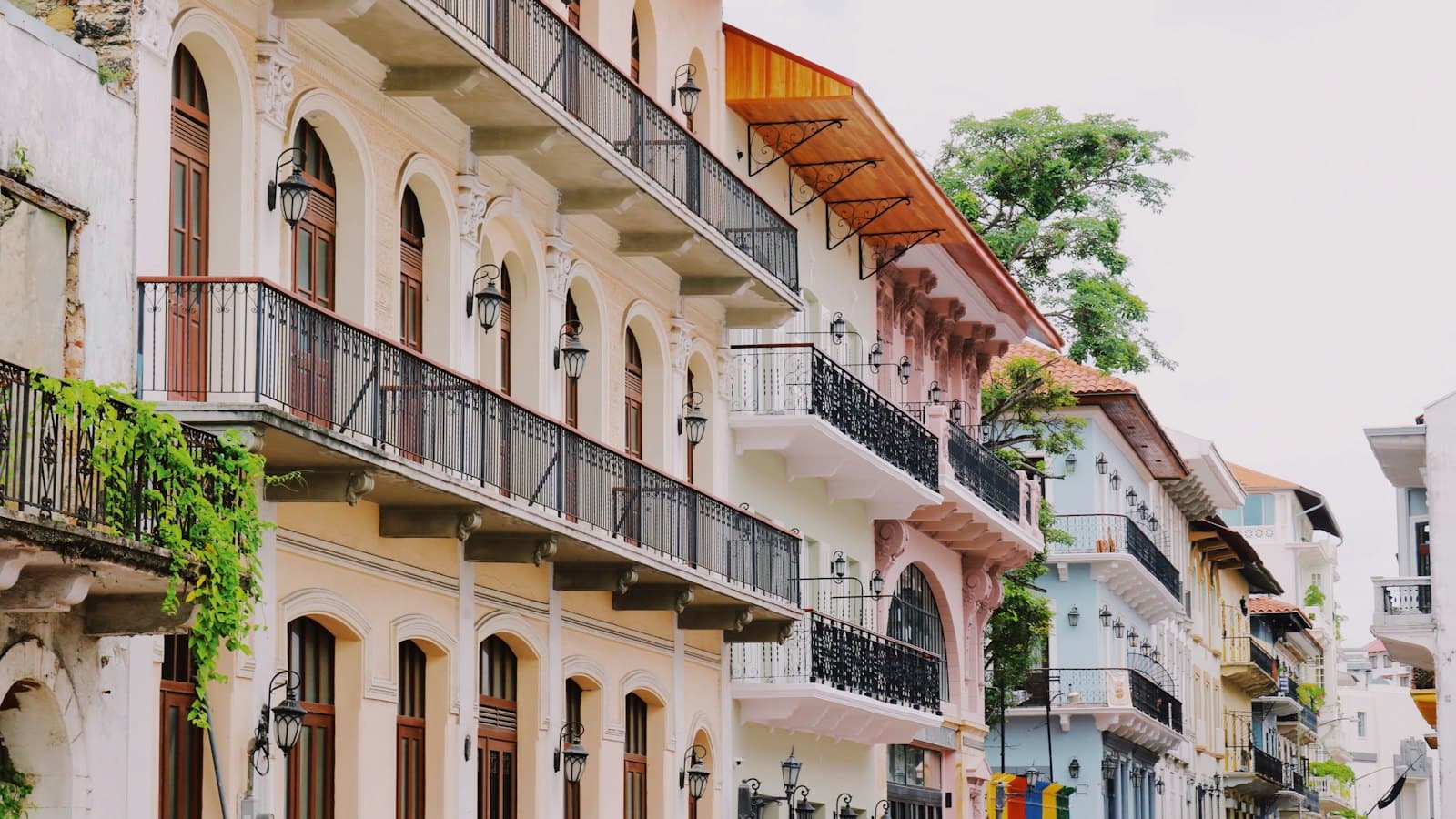
Retire in Panama: The Pensionado Visa, Honestly Explained
Most retirement visas start you on a temporary permit and make you prove yourself for years. Panama skips that. Show a pension for life of US$1,000 a month, hire a local lawyer, and you can hold permanent residence from day one. No deposit, no language test, no minimum age of 65.
That is the easy part. The heat, the rainy season, healthcare outside the capital and the distance from family are the harder parts. This guide covers both.
The short answer: Panama's Pensionado visa gives you permanent residence if you receive a lifetime pension of at least US$1,000 a month. If you buy property in Panama worth more than US$100,000, the minimum pension drops to US$750 a month (Panamá Digital, official government portal, 2026). You add US$250 a month for each dependant (Embassy of Panama in the US, 2026). There is no retirement age. You only need to be an adult with a pension for life. You must apply through a Panamanian lawyer.
The Pensionado visa at a glance
The key rules as of October 2026. Check the official source before you apply.
| Requirement | Figure | Source |
|---|---|---|
| Minimum lifetime pension | US$1,000 a month | Panamá Digital, 2026 |
| Pension if you own Panama property over US$100,000 | US$750 a month | Panamá Digital, 2026 |
| Extra income per dependant | US$250 a month | Embassy of Panama in the US, 2026 |
| Minimum age | 18 (no retirement age) | Embassy of Panama in the US, 2026 |
| Type of residence | Permanent, from the start | Panamá Digital, 2026 |
| Who files the application | A Panamanian lawyer (legal representative) | Panamá Digital, 2026 |
| Tax on foreign pension income | Generally none (Panama taxes only Panamanian-source income) | PwC Worldwide Tax Summaries, August 2026 |
A married couple can combine both pensions to reach the minimum, as long as both pensions meet the same rules (Panamá Digital, 2026). Ask your lawyer if your spouse also counts as a dependant for the extra US$250.
For a modest but steady pension, few visas are this simple. To compare other countries, see our guide to the best countries to retire abroad.
Why Panama keeps topping expat surveys
In the 2026 Expat Insider survey by InterNations, Panama ranked 1st out of 31 destinations for the third year in a row (InterNations, 2026). The details matter for retirees (InterNations, 2026):
- 87% of expats there say they are happy with life, against a 70% global average.
- 18% of respondents moved to Panama to retire, against just 4% worldwide.
- 90% say their income is enough or more than enough for a comfortable life.
- 84% feel welcome, and 92% feel personally safe.
International Living's 2026 Global Retirement Index placed Panama 2nd, behind Greece. It still calls the Pensionado programme its "number one pick for ease and special benefits" (International Living, 2026).
Panama also uses the US dollar. A dollar pension means no exchange-rate worries; any other currency still carries risk. Our guide to retirement planning with a weak currency explains how to protect yourself.
The discounts, line by line
Panama's Law 6 of 1987 gives discounts to all retirees and pensioners living in Panama, including foreign residents. The consolidated text was published in the Official Gazette in 2009 (Law 6 of 1987, consolidated text, Gaceta Oficial 26314-A, 2009). Here are the ones you will use most:
| What you pay for | Discount by law |
|---|---|
| Cinema, theatre, sports and public shows | 50% |
| Hotels, Monday to Thursday | 50% |
| Hotels, Friday to Sunday | 30% |
| Restaurant meals (your own plate) | 25% |
| Intercity buses, trains, boats | 30% |
| Air tickets | 25% |
| Private hospital and clinic bills | 15% |
| Medicines | 20% |
| Doctor consultations (general and specialist) | 20% |
| Dental care | 15% |
| Eye care (optometry) | 15% |
| Electricity, up to 600 kWh a month | 25% |
| Water, if the bill is B/.30 or less | 25% |
| Professional and technical services | 20% |
| Mortgage interest on your own home | 1 percentage point lower |
Source: Law 6 of 1987, consolidated text, article 1, points 1 to 23.
Some conditions apply. The water discount only works if the account is in your name and is for your home. The restaurant discount does not apply at small eateries that operate without a commercial licence. Businesses that refuse the discount can be fined from B/.50 to B/.5,000 by ACODECO, the consumer protection authority (same source, article 5).
You prove your status with your Panamanian ID or pensioner card (same source, article 4). But do not choose Panama for the discounts alone. The list can change. In September 2026, the President vetoed Bill 226, which would have changed Law 6 and widened the discounts (Infobae, September 2026). In October 2026, a new bill reached the National Assembly (La Prensa, October 2026). Check the current rules with ACODECO before you count on any single item.
Not sure which country you’d qualify for?
6 quick questions about your age, skills and English. Free, 2 minutes, results on screen. No sign-up.
Free eligibility check →City or mountain town: monthly costs
Panama is not as cheap as some videos suggest, especially in Panama City. It can still be comfortable on a modest pension if you choose your area with care.
International Living's correspondent in Panama is single. She says you can live a fun, social life on about US$2,400 a month, including rent (International Living, 2026). A couple will usually need more. In the Expat Insider survey, Panama ranked 2nd for cost of living and 1st for ease of finding housing (InterNations, 2026).
The budget below is a planning sketch for a couple. The ranges are NextMigrate estimates, not official data, so check current listings before you decide.
| Monthly cost (couple) | Panama City | Smaller town (for example Boquete or Coronado) |
|---|---|---|
| Rent, 2-bedroom apartment | US$1,000 to 1,800 | US$600 to 1,100 |
| Food and household shopping | US$450 to 700 | US$400 to 600 |
| Private health insurance (age 60 to 70) | US$300 to 900+ | US$300 to 900+ |
| Electricity, water, internet, phone | US$150 to 300 | US$100 to 220 |
| Transport (taxi, bus, or running a car) | US$100 to 300 | US$150 to 350 |
| Eating out and leisure | US$200 to 400 | US$150 to 300 |
| Rough total | US$2,200 to 4,400 | US$1,700 to 3,500 |
Two things change this picture. First, air conditioning: on the hot coast, power bills run high, and the 25% discount only covers the first 600 kWh. Second, your age: health insurance costs rise every year after 60, and some insurers may refuse older new customers. Get quotes before you move.
Want to test your own numbers? Try our cost of living tool.
Healthcare: strong in the capital, thin elsewhere
Panama City has modern private hospitals. Expats in the 2026 Expat Insider survey ranked Panama 9th of 31 for healthcare (InterNations, 2026). That is good, but not top of the list.
Outside the capital, clinics are smaller and specialists are far away. A serious problem can mean a long drive or a flight to Panama City. Before you pick a town, find the nearest proper hospital.
Public care. Panama's main public insurer is the Social Security Fund (Caja de Seguro Social, CSS). It is built mainly for people who pay in through work. Ask the CSS directly if you can join as a foreign retiree, and at what cost. Many foreign retirees rely on private cover.
Private insurance. Local plans are often cheaper but may exclude existing conditions or limit cover abroad. International plans cost more but travel with you. Read the age limits and exclusions carefully.
Your discounts help here too. Beyond the medical discounts above, the law says health insurers must pass these discounts on in your premiums (Law 6 of 1987, article 1, point 9).
For a wider view of what retirees pay for care around the world, read our guide to healthcare costs out of pocket by country.
Tax: territorial, with one catch
Panama uses a territorial system: it only taxes income from Panamanian sources (PwC Worldwide Tax Summaries, August 2026). A pension paid to you from abroad is foreign income. In general, Panama does not tax it.
What changed recently. In May 2026, Panama passed Law 526 on "economic substance". It can apply a 15% tax to certain foreign passive income. But it targets companies and other entities that belong to multinational groups, not individuals. Panama's territorial principle stays in place (FMM law firm on Law 526, 2026; KPMG Panama, September 2026). If you hold investments through a company or a foundation, ask an adviser if this law affects you.
There is one more property benefit. If your home is in your name and it is your only property, your property tax is frozen (Law 6 of 1987, article 1, point 16).
The catch is at home. Panama not taxing your pension does not mean nobody does. Your home country may still tax it. Some countries tax their citizens wherever they live. Others keep taxing certain government pensions. Our guides to taxes when you migrate abroad and pension and social security portability explain the main traps. For your own case, get advice from a regulated tax adviser who knows both countries.
Six steps, one lawyer
You cannot file this yourself. The application must go through a Panamanian lawyer acting as your legal representative (Panamá Digital, 2026).
Step 1: Get a pension letter. Ask your pension provider for an official letter. It must show the monthly amount and that the pension is for life. The pension must come from a foreign government, an international organisation or a private company (Panamá Digital, 2026).
Step 2: Get a police record. Order a criminal record certificate from your home country. The embassy lists an FBI record for US applicants (Embassy of Panama in the US, 2026).
Step 3: Apostille and translate. Every foreign document needs an apostille, or legalisation by a Panamanian embassy or consulate. Anything not in Spanish needs a certified translation by an authorised public translator in Panama (Panamá Digital, 2026).
Step 4: Check your passport. Your lawyer needs a copy certified by a Panamanian notary, so bring a passport with plenty of time left.
Step 5: Travel to Panama. You sign a power of attorney and get a health certificate from a Panamanian doctor (Embassy of Panama in the US, 2026). Your lawyer then files the application with the National Migration Service (Servicio Nacional de Migración). Ask your lawyer when you need to attend in person.
Step 6: Add your family. A spouse or other dependant applies under the family reunification rules. Adult dependants must sign their own power of attorney (same source as step 3).
How long and how much? Processing times and total fees vary. They include government charges, notary and translation costs, and your lawyer's fee. Ask two or three lawyers for a written quote and a current time estimate before you choose one.
Heat, rain and Spanish: daily life
Language. Parts of Panama City run on English. Doctors' receptionists, government offices, taxi drivers and most of the interior run on Spanish. Even basic Spanish turns daily life from stressful to pleasant.
Weather. The coast is hot all year. Most of the country also has a long rainy season, with heavy afternoon rain for months. Panama's weather institute, IMHPA, announces when it starts each year. The mountain towns are cooler. Visit in the wet months, not only the dry ones.
Family. Flights home cost money and time. If you have ageing parents, read what happens to aging parents when you migrate before you decide.
Friends. Expat hubs like Boquete or Coronado make friends easier to find, but a small expat circle can start to feel narrow. The people who do best have a reason to get up: a walking group, volunteering, a class, a church, a garden. Our guide to building a social life in a new country has practical ideas.
Think twice about Panama if...
- Your pension is not for life. A savings pot you draw down, or a pension that stops after ten years, does not meet the main rule.
- You need constant specialist care. If you live far from Panama City, specialist care may be hours away.
- You hate heat and humidity. Air conditioning helps, but you cannot escape the climate.
- You struggle with slow paperwork or bad roads. Expats ranked Panama 22nd of 31 for opening a bank account and last for road infrastructure (InterNations, 2026).
- Your whole family is your daily life. If seeing your grandchildren every week is what makes you happy, distance will hurt more than any discount can help.
If you are worried that age itself is a barrier, our article am I too old to migrate? looks at that fear directly.
Frequently asked questions
How much pension do I need to retire in Panama?
You need a lifetime pension of at least US$1,000 a month. If you own property in Panama worth more than US$100,000, the minimum is US$750 a month. Add US$250 a month for each dependant. A couple can combine their pensions to reach the minimum.
Is there a minimum age for the Pensionado visa?
There is no retirement age. The Embassy of Panama in the US says you must be at least 18. What matters is that you receive a pension that is paid for life.
Does Panama tax my foreign pension?
In general, no. Panama uses a territorial tax system and only taxes income from Panamanian sources. Your home country may still tax your pension, so check with a regulated tax adviser.
Do foreign residents get the pensionado discounts?
Yes. Law 6 of 1987 gives the discounts to all retirees and pensioners living in Panama, including foreign residents. You prove your status with your Panamanian ID or pensioner card. Some discounts have conditions, such as utility accounts being in your name.
Is the Pensionado visa permanent?
Yes. It is a permanent residence permit from the start. You do not need to move from a temporary permit first, as many other countries require.
Can I apply without a lawyer?
No. The official government portal says the application must be filed through a legal representative. In practice this means a Panamanian lawyer, so get written quotes before you choose one.
Visit in the rainy season
The same pension can buy very different lives in Panama. It can cover a cool apartment in the hills and dinners out at 25% off. Or it can vanish into a weak insurance policy and an air conditioner that never stops.
The difference is planning. Visit in the rainy season. Rent before you buy. Get real insurance quotes. Talk to people who have lived there five years, not five weeks.
Not sure if Panama is your best fit? Take our assessment to compare your options in a few minutes. Or look at Europe through our guides to retiring in Portugal on the D7 visa, retiring in Spain on the non-lucrative visa and countries that don't tax foreign pensions.
This article is general information, not legal or tax advice. Rules are correct to the best of our knowledge as of October 2026. Always confirm with the official source and a qualified professional before you apply.
