The digital nomad guide · 44 guides
Work from anywhere, legally
If you can already do your job from a laptop, the hard part is behind you. This guide is for remote workers who want to do it properly: the right visa, the tax, the family and the long-term plan.
Every income bar, fee and rule here comes from an official source and is dated, so you know how current it is. Start with the free finder, or jump to the country you have in mind.

Start here
Is the nomad life right for you, and how do you get there without a degree or a big savings pot?
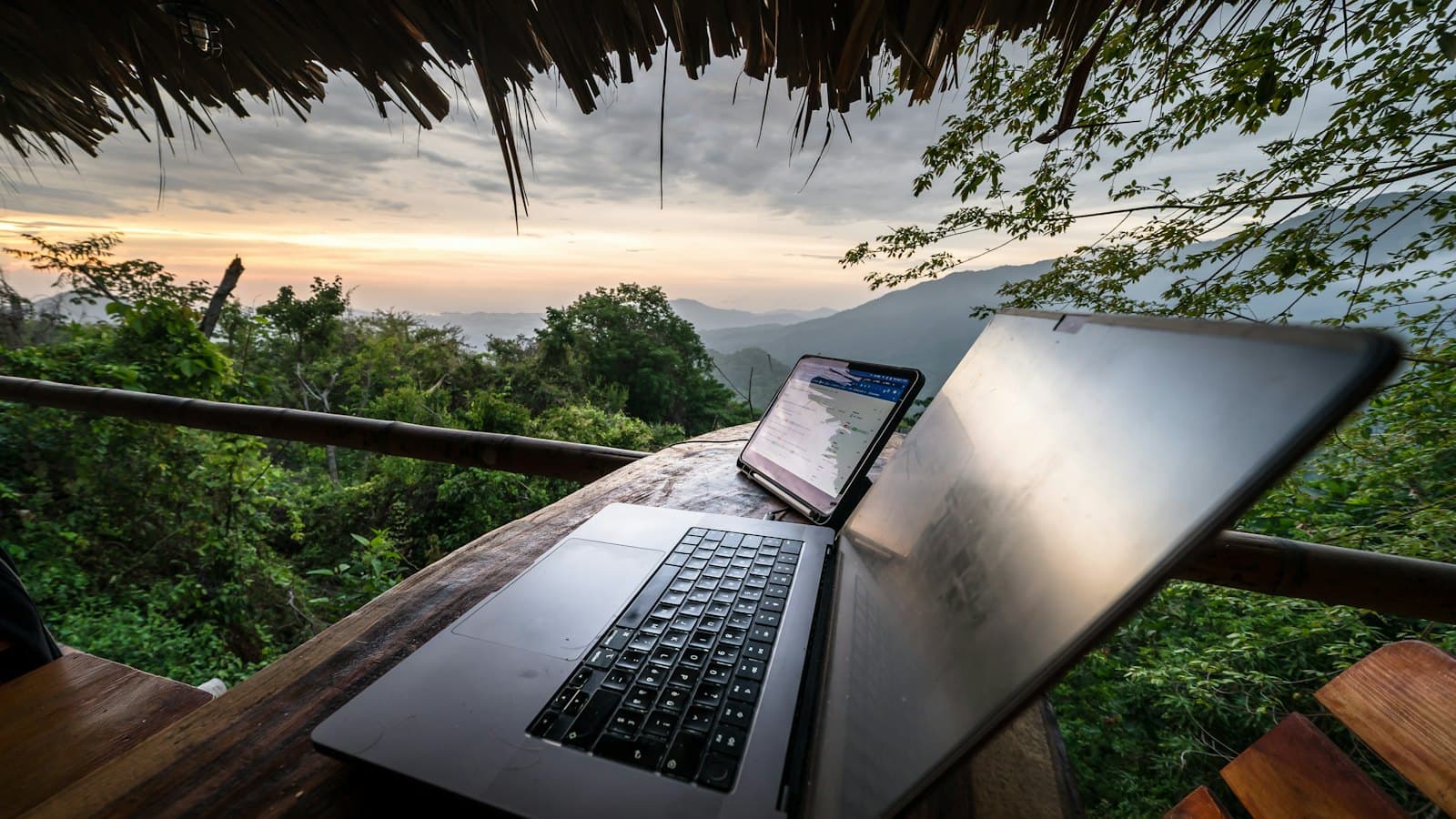
Best Digital Nomad Visas 2026: Income Needed by Country
Spain asks about €2,849 a month, Portugal €3,680, Brazil US$1,500.

How to Become a Digital Nomad With No Experience
The honest path: remote skill and income first, travel second
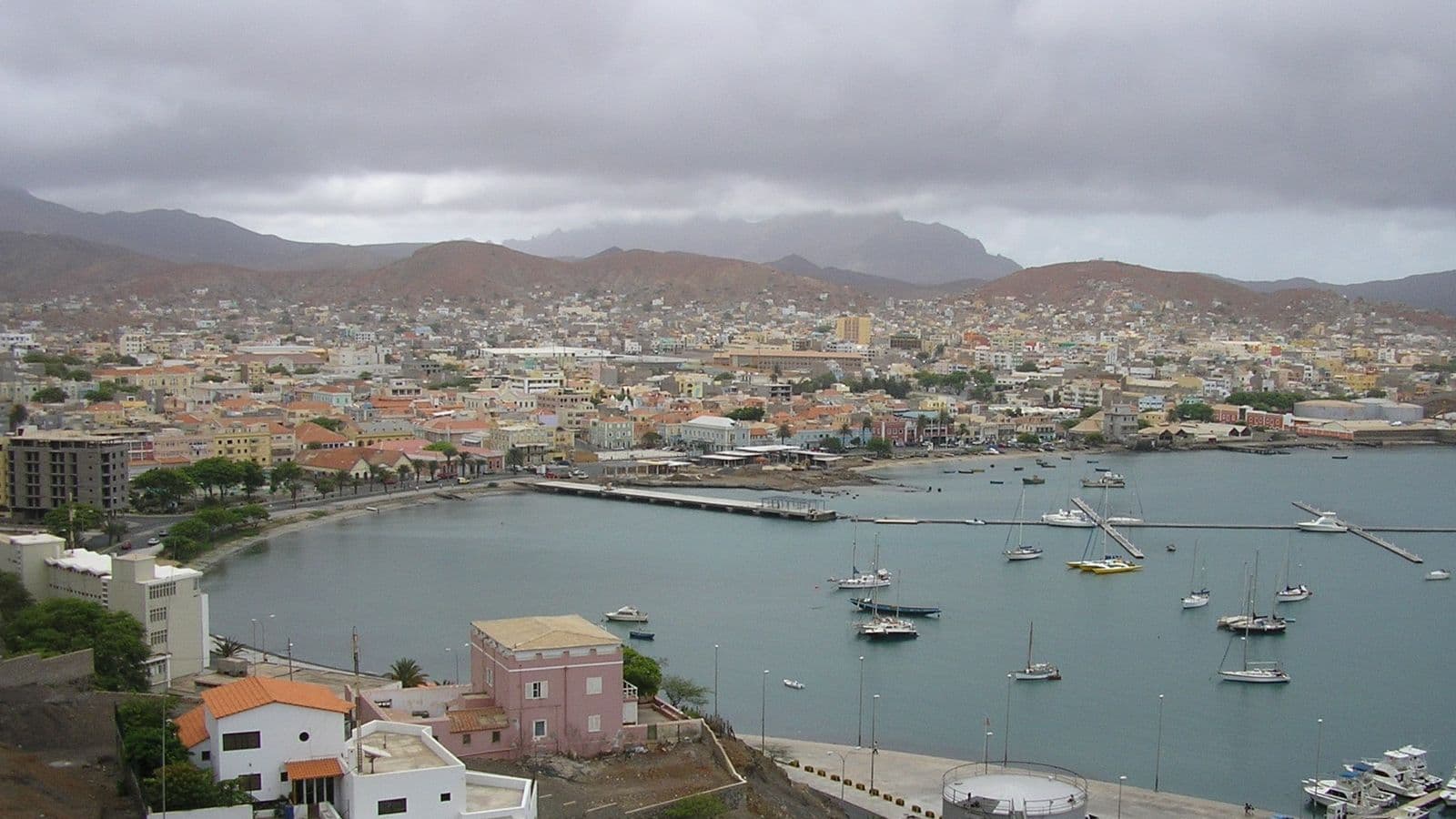
Easiest Digital Nomad Visas for Low Incomes, Ranked
Low-bar nomad visas ranked by income and passport access

Remote Work Abroad vs Migrating: What Is the Difference?
Many remote workers ended up moving anyway. Here is what they ran into.

Digital Nomad vs Permanent Resident: Which Builds Wealth?
Nomading looks better, but PR quietly builds more wealth over time.
Nomad visas in Europe
Longer stays, family rules and, in Spain and Portugal, a real path to permanent residence.

Spain Digital Nomad Visa: Requirements, Income and Tax
Income, employer rules, fees and the Beckham tax regime

Portugal D8 Digital Nomad Visa: Requirements and Tax
EUR 3,680 a month, tax after NHR and the new 10-year passport rule

Italy Digital Nomad Visa: Requirements, Income and Tax
The income floor, the highly skilled test and Italian tax
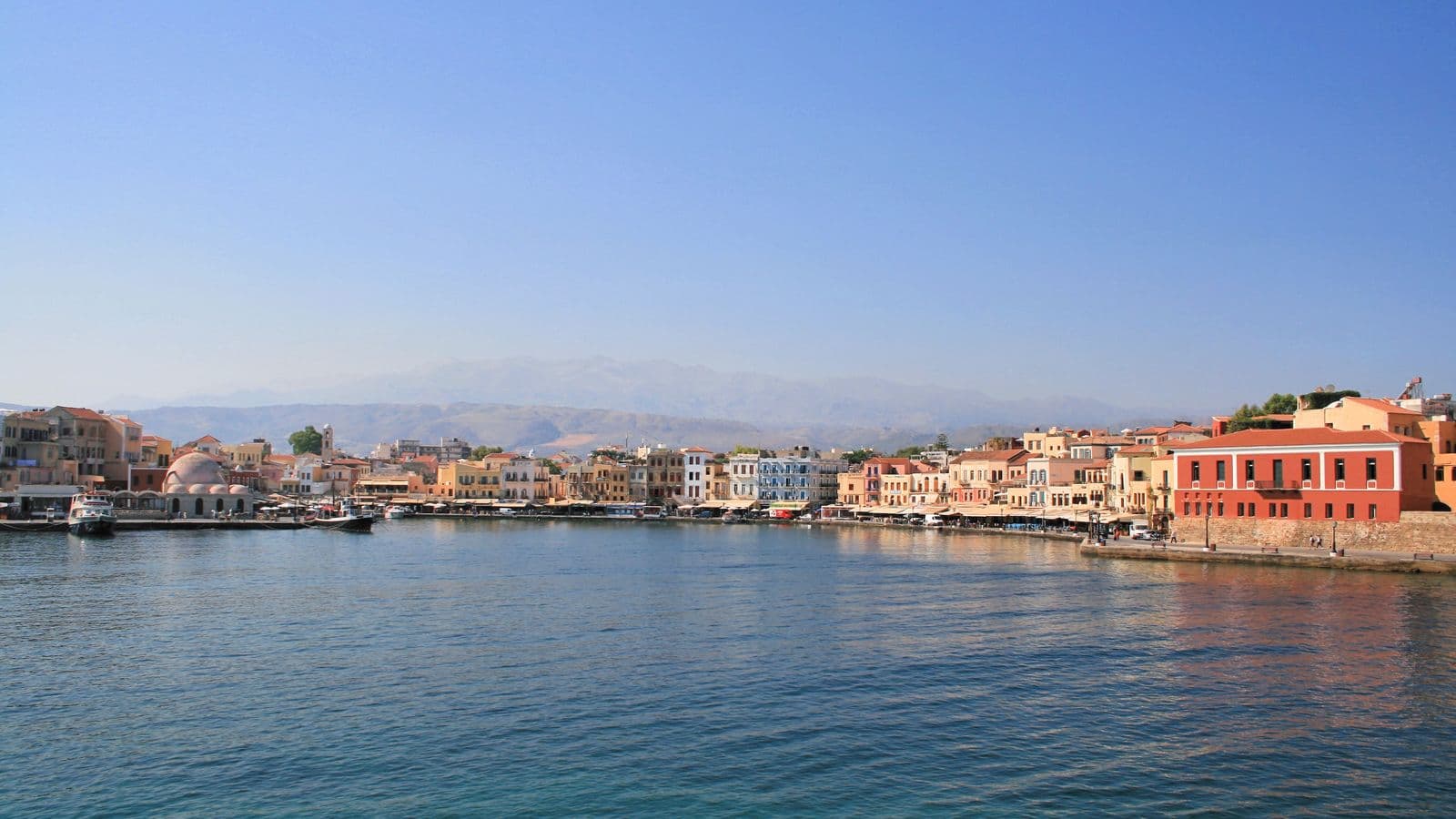
Greece Digital Nomad Visa: Requirements, Cost and Tax
EUR 3,500 net, fees and who really gets the 50% tax break
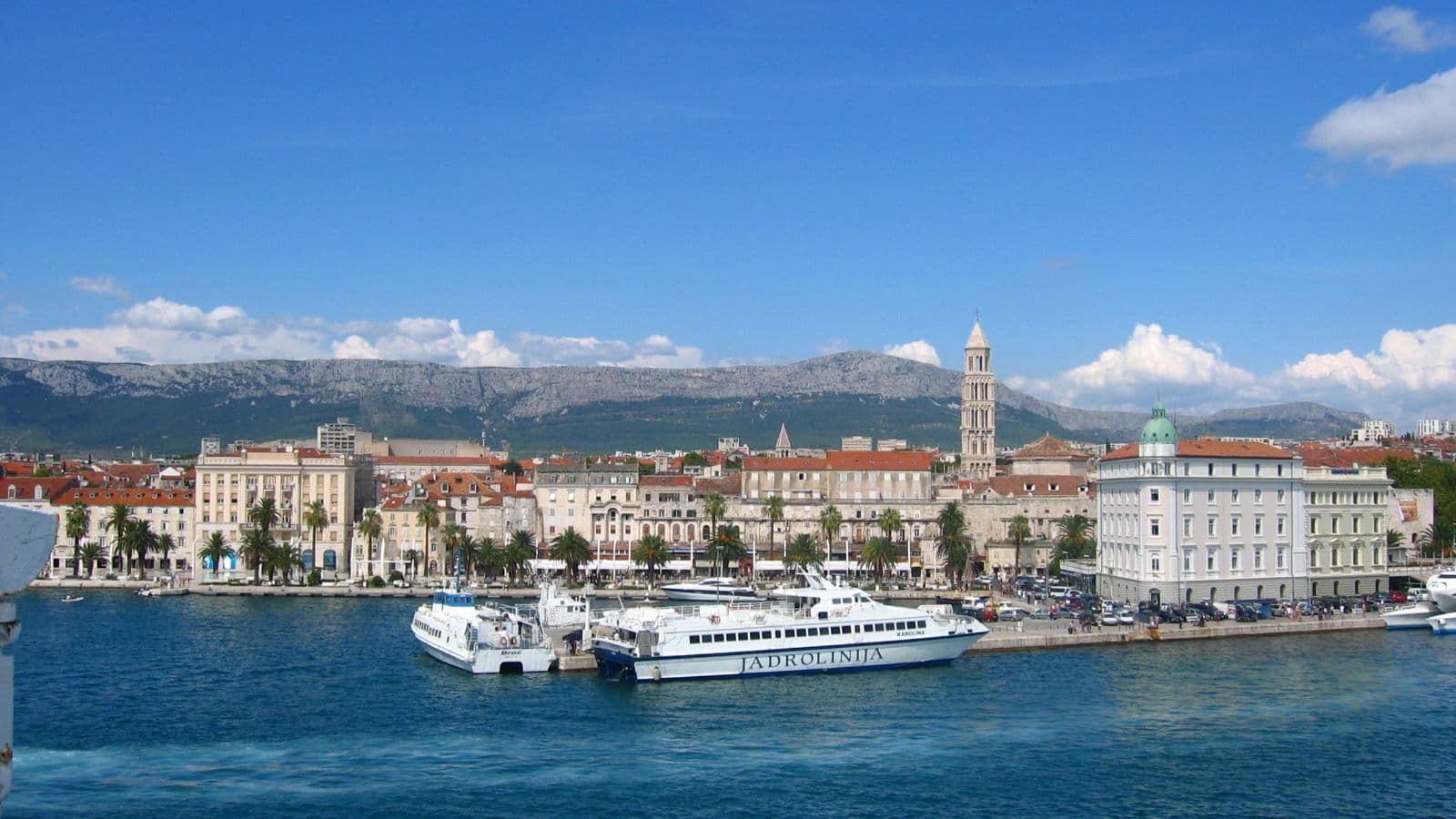
Croatia Digital Nomad Visa: Requirements, Tax and Limits
18 months by the Adriatic, tax-free nomad pay, then a 6-month gap
Nomad visas in Asia
From Japan's six months to Thailand's five-year DTV, and the countries that have no nomad visa at all.
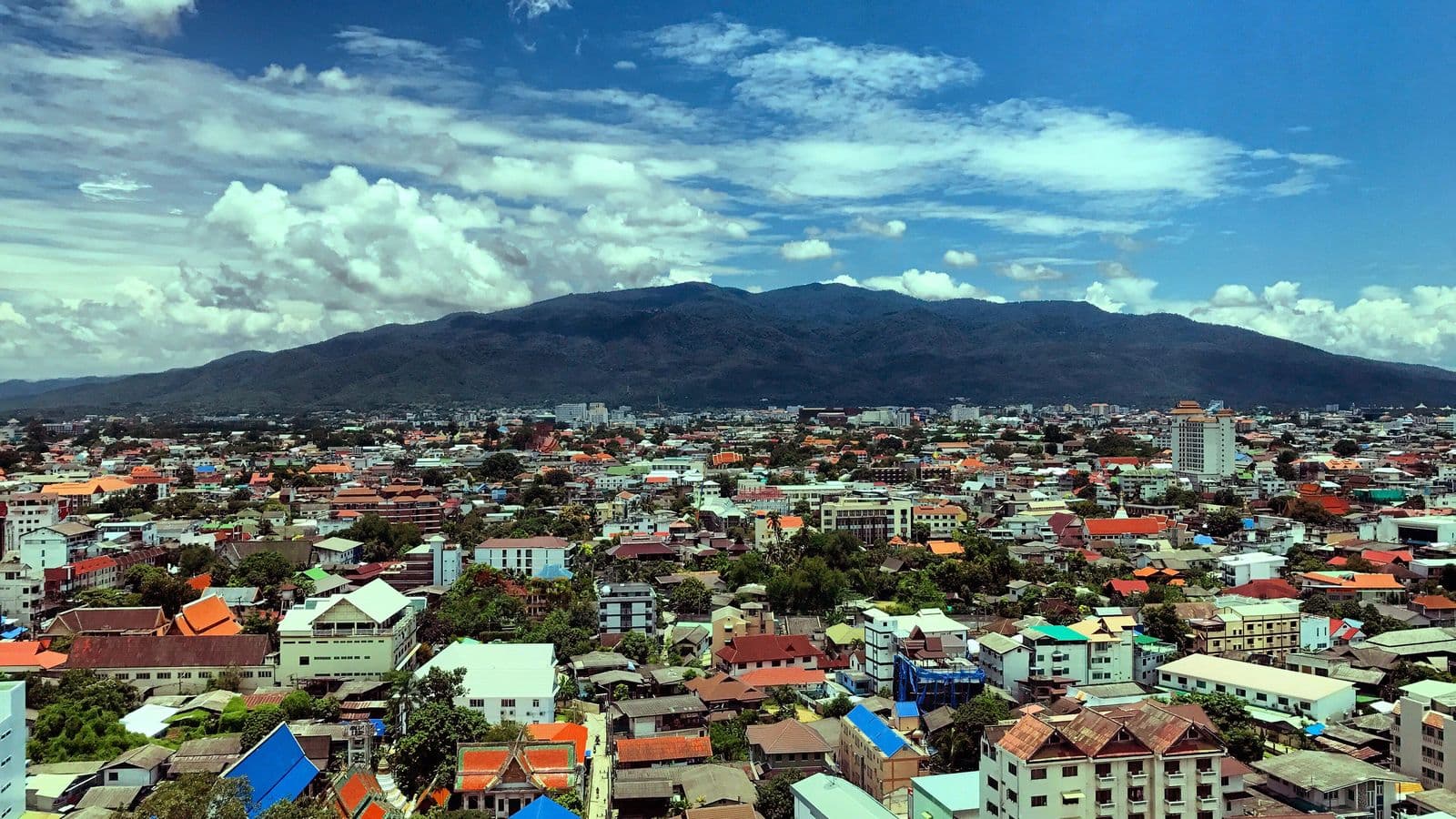
Thailand DTV Visa: Requirements, 500,000 Baht and New Rules
DTV rules: 500,000 baht, 180-day stays and the August 2026 changes

Japan Digital Nomad Visa: Requirements, Income and Who Qualifies
Six months in Japan on ¥10 million a year, and who is left out

South Korea Digital Nomad Visa (F-1-D): Requirements and Income
Korea's F-1-D workation visa: new income tiers and 3-year stays

Taiwan Digital Nomad Visa: Requirements, 2-Year Stay and Tax
Taiwan's nomad visa: lower bar for under-30s, stays up to 2 years
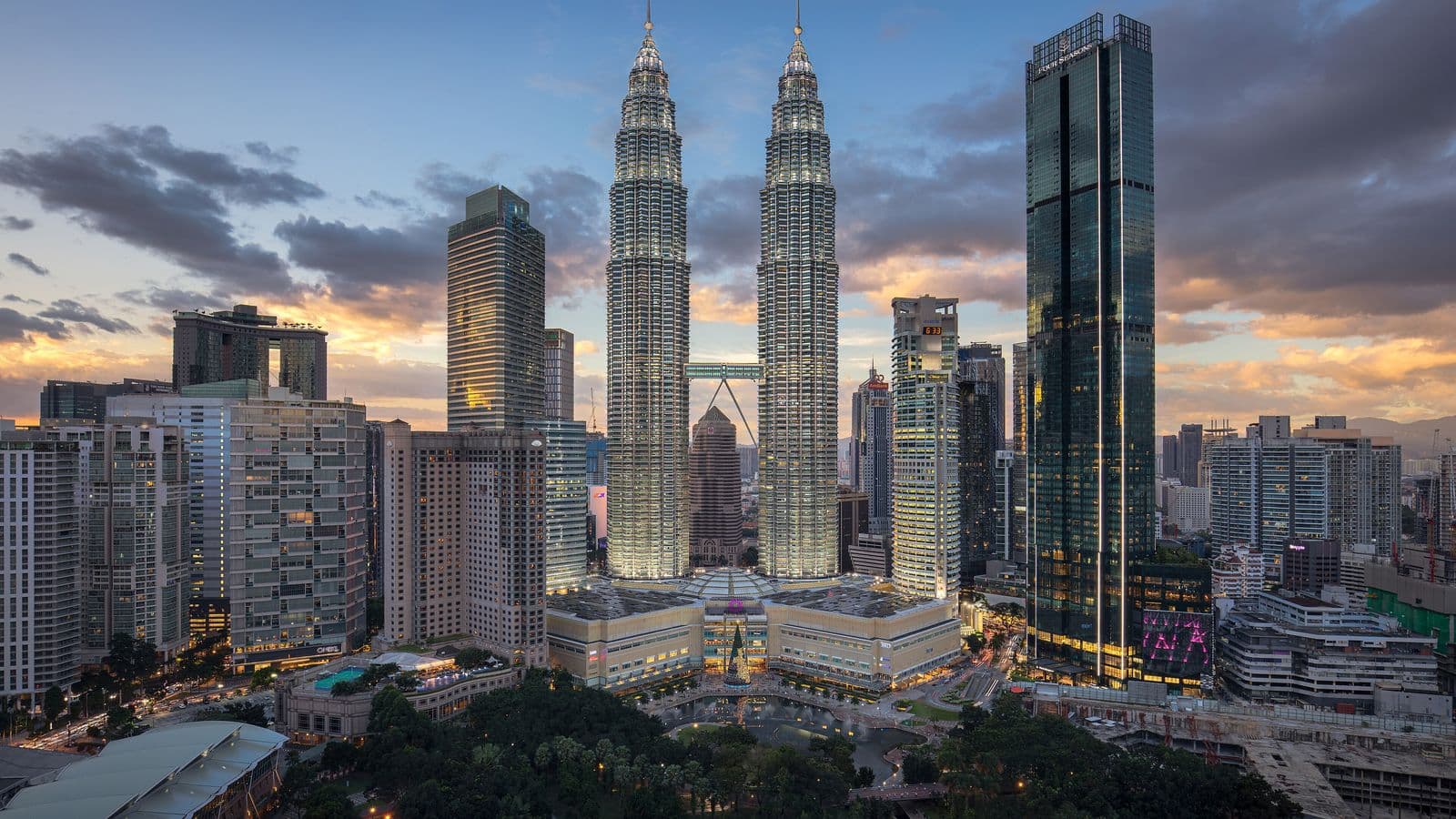
Malaysia DE Rantau Nomad Pass: Requirements, Cost and Tax
DE Rantau income bars, fees, bond, renewals and how Malaysia taxes you

Indonesia E33G Remote Worker Visa: Requirements, Cost and Tax
Bali's E33G remote worker visa: US$60,000 bar, fees and tax risk
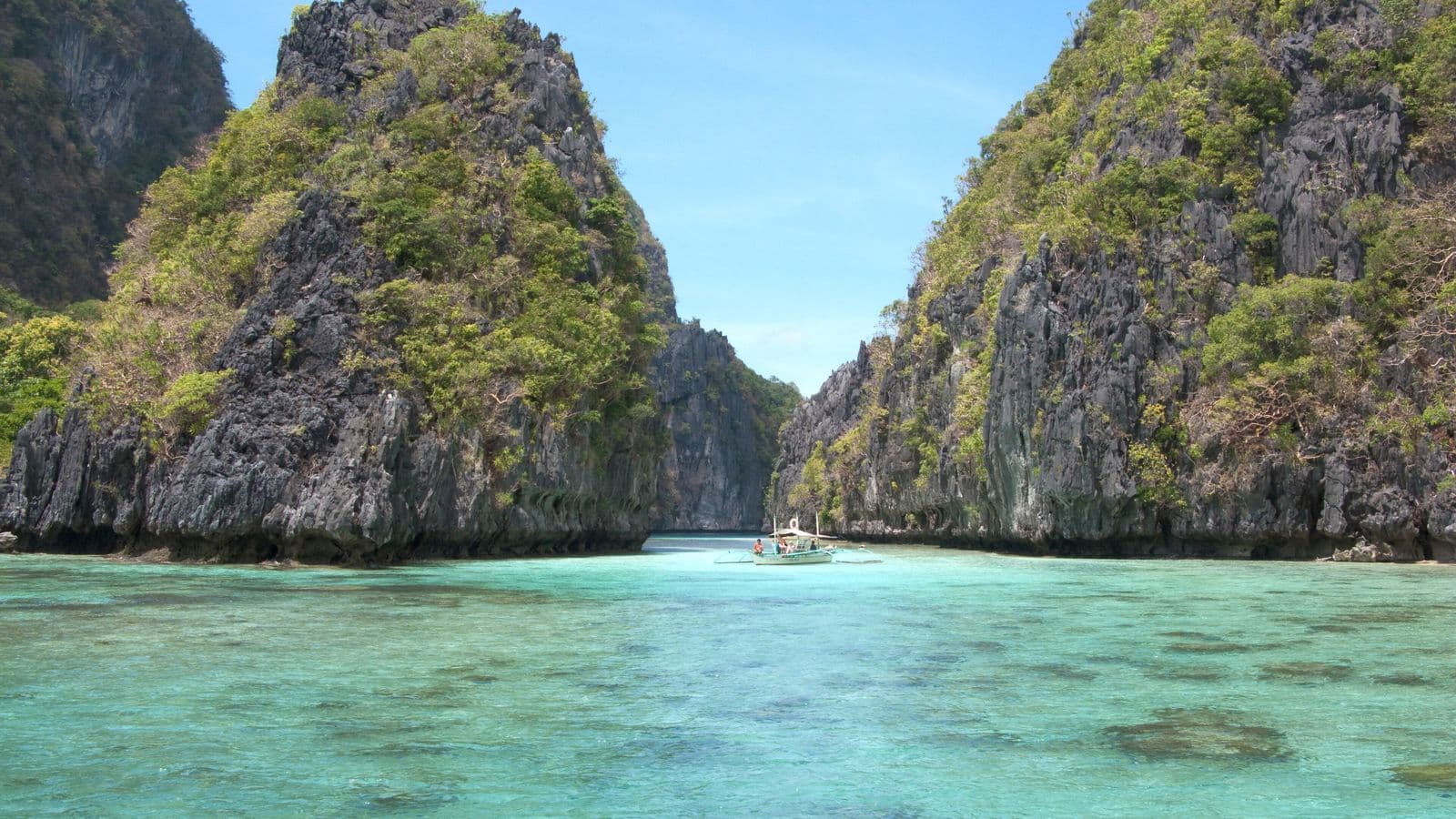
Philippines Digital Nomad Visa: Status, Rules and Alternatives
The Philippines nomad visa is signed but not open: what to use now
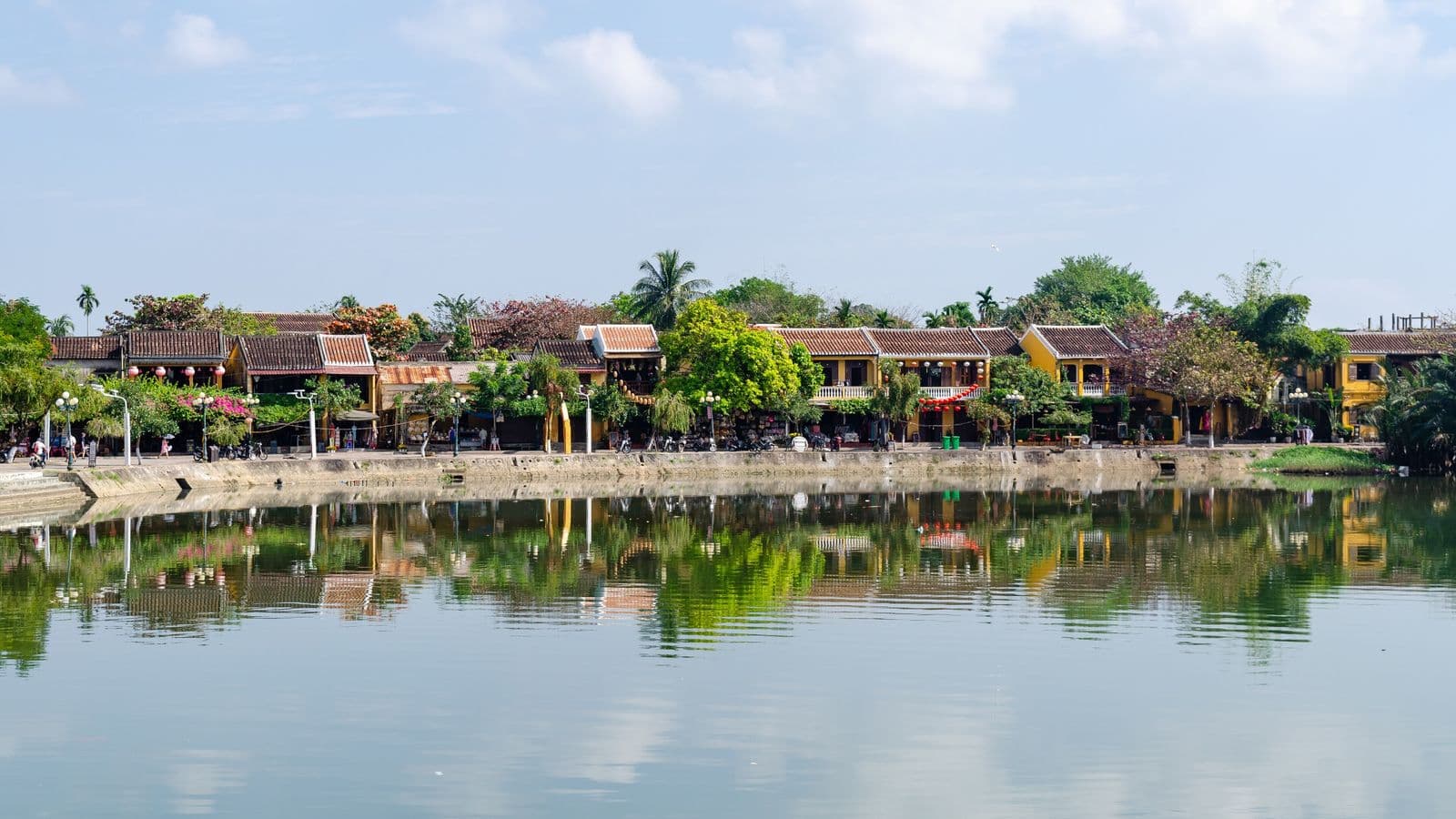
Vietnam Digital Nomad Visa: What Exists and What to Use
No Vietnam nomad visa yet: the 90-day e-visa, visa runs and tax
Americas, Middle East and Africa
Some of the lowest income bars in the world, and a tax-free option in the Gulf.

Brazil Digital Nomad Visa (VITEM XIV): Requirements and Tax
VITEM XIV: US$1,500 a month, one year plus one renewal, tax on day 184

Colombia Digital Nomad Visa: Requirements, Income and Cost
Colombia's nomad visa: 3 minimum wages, US$194 fee, 183-day tax
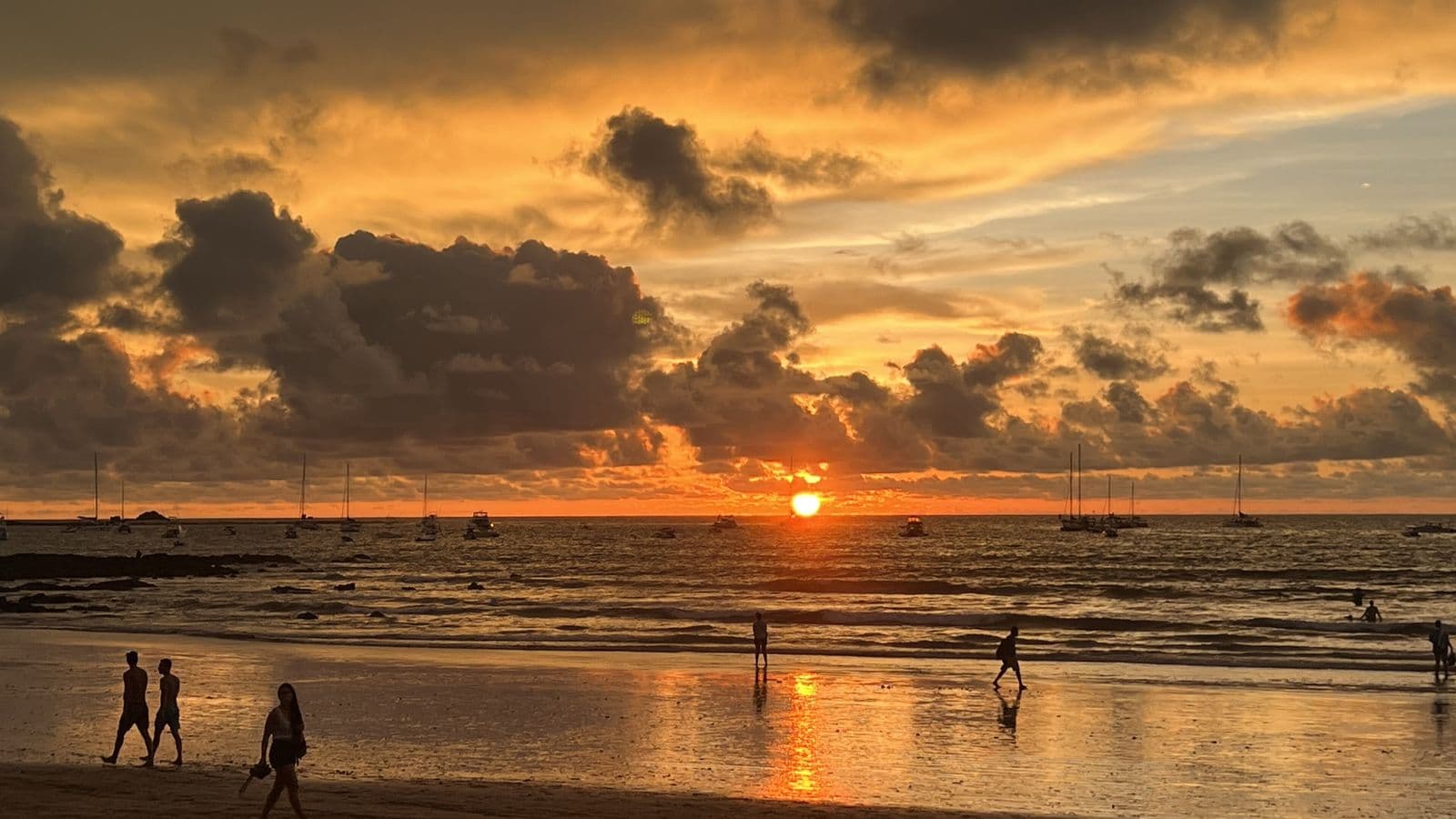
Costa Rica Digital Nomad Visa: Requirements, Cost and Tax
Costa Rica's nomad stay: US$3,000 income, tax exemption, 180 days

Mexico Digital Nomad Visa: What Remote Workers Really Use
No nomad visa: the visitor stay vs temporary residence, by consulate

Argentina Digital Nomad Visa: Requirements, Cost and Limits
180 days plus one extension, no income bar, visa-free passports only

Dubai Remote Work Visa: Requirements, Cost, Family and Tax
Dubai's virtual work visa: US$3,500 rule, fees, family and tax
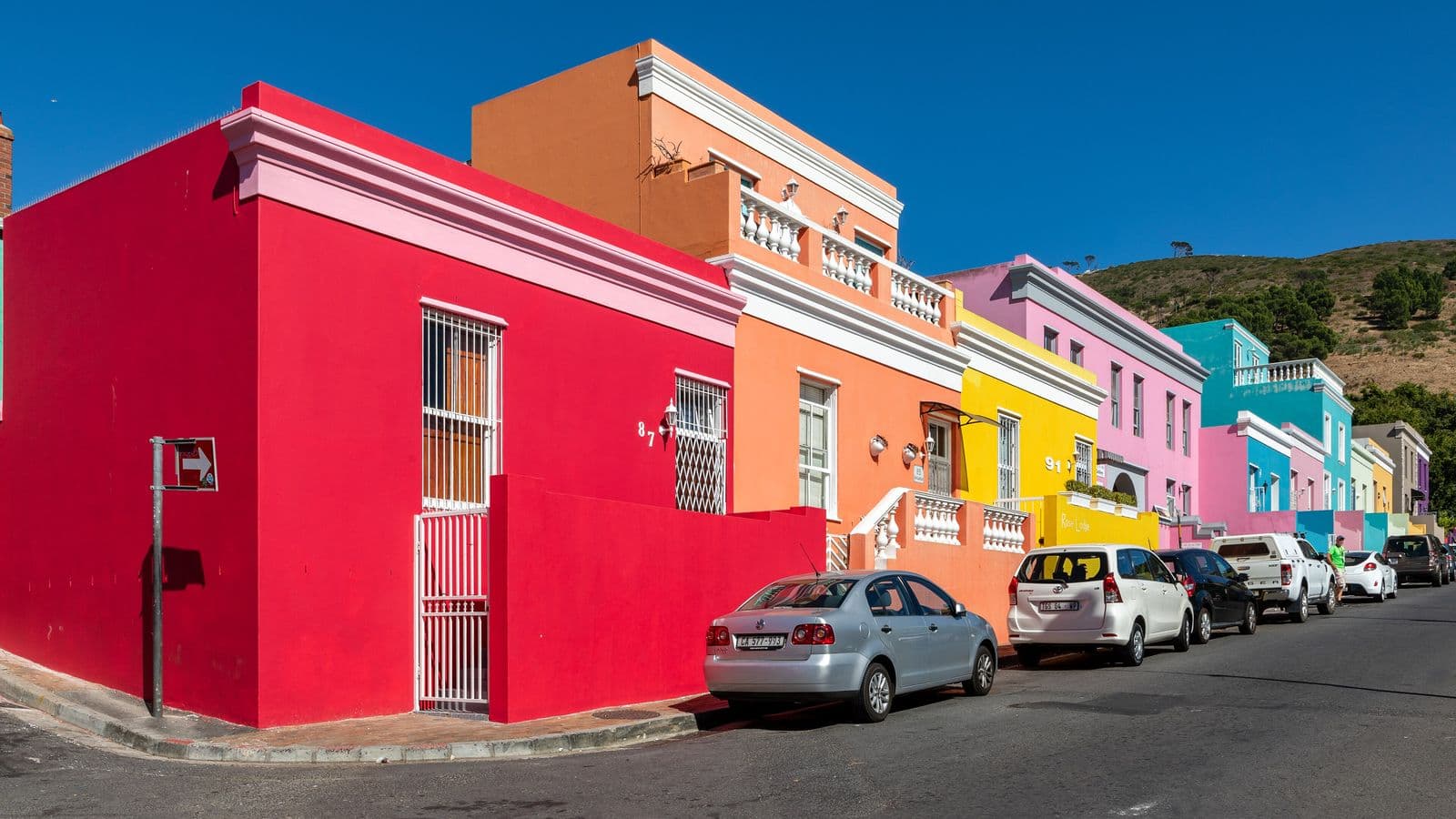
South Africa Digital Nomad Visa: Remote Work Visa Rules
South Africa's remote work visa: salary bar, R425 fee, SARS rules
By passport
What actually opens up for you, and what to prepare, when your passport needs a visa almost everywhere.

Digital Nomad Visa for Indians: Where You Can Apply
Which nomad visas Indian passports can get, plus tax and LRS
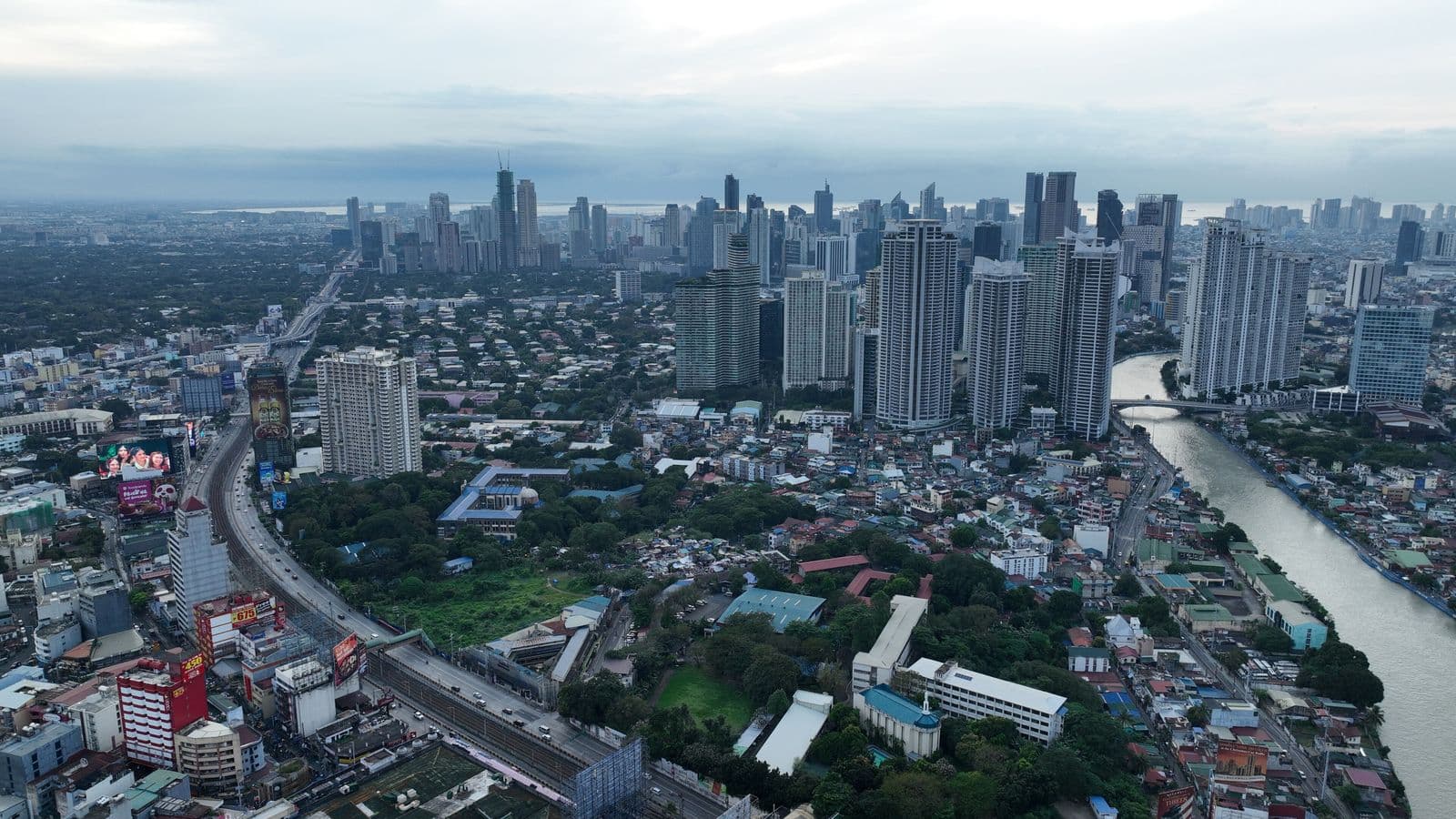
Digital Nomad Visa for Filipinos: Spain, Korea, Brazil and More
Nomad visas a Philippine passport can really get, and BIR rules

Digital Nomad Visa for Nigerians: Options That Accept You
Realistic nomad visas for Nigerians, from Cabo Verde to Spain

Digital Nomad Visa for Pakistanis: Countries That Accept You
Nomad visas open to Pakistanis, plus FBR and SBP rules
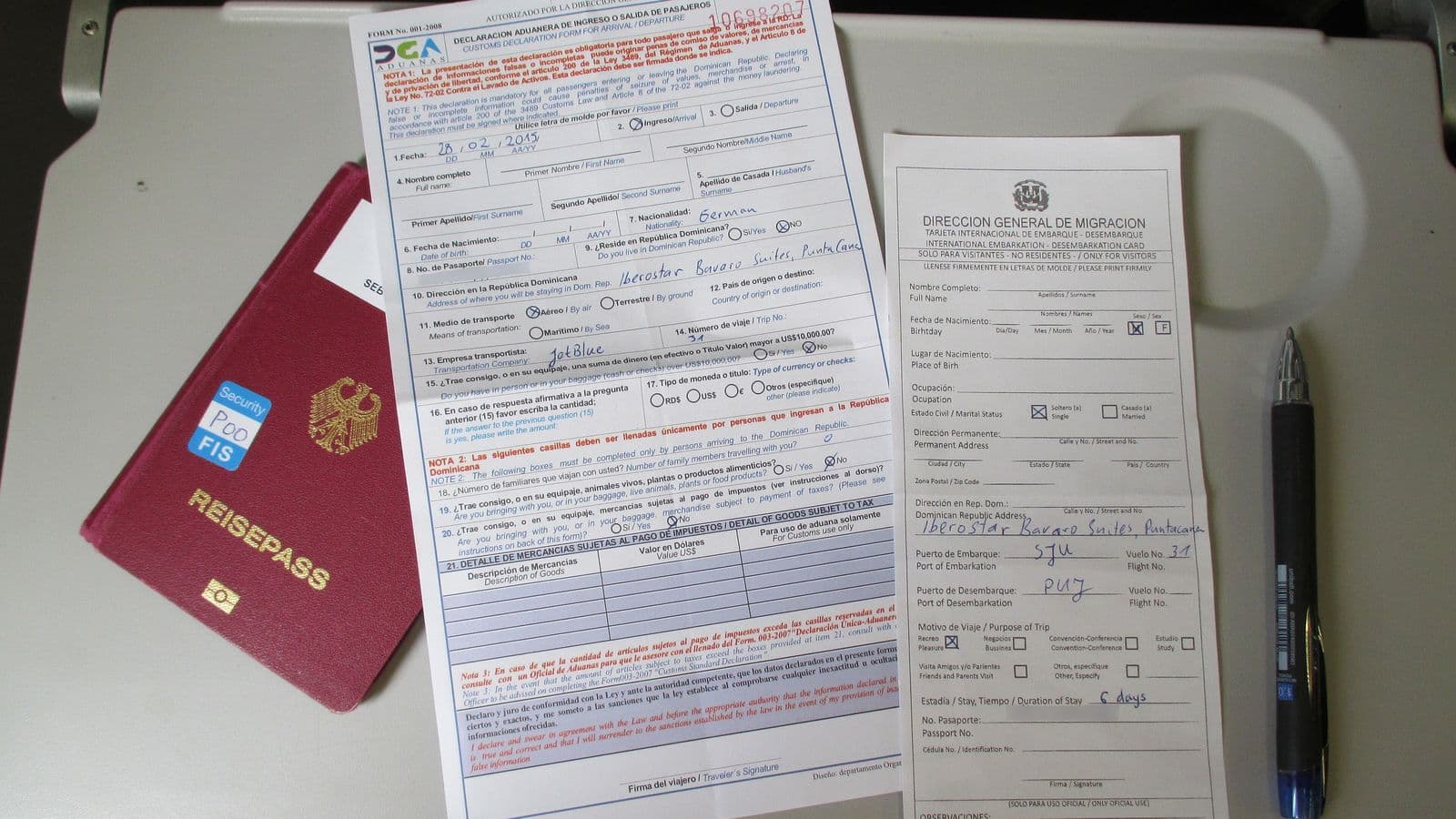
Digital Nomad Visa Rejected? Common Reasons and How to Appeal
Why nomad visas get refused, and appeal deadlines by country
Rules, tax and the long game
The questions that decide whether nomad life stays legal, and where it leads after a few years.

Can You Work Remotely on a Tourist Visa? Country Rules
What 8 governments officially say about remote work on a visit
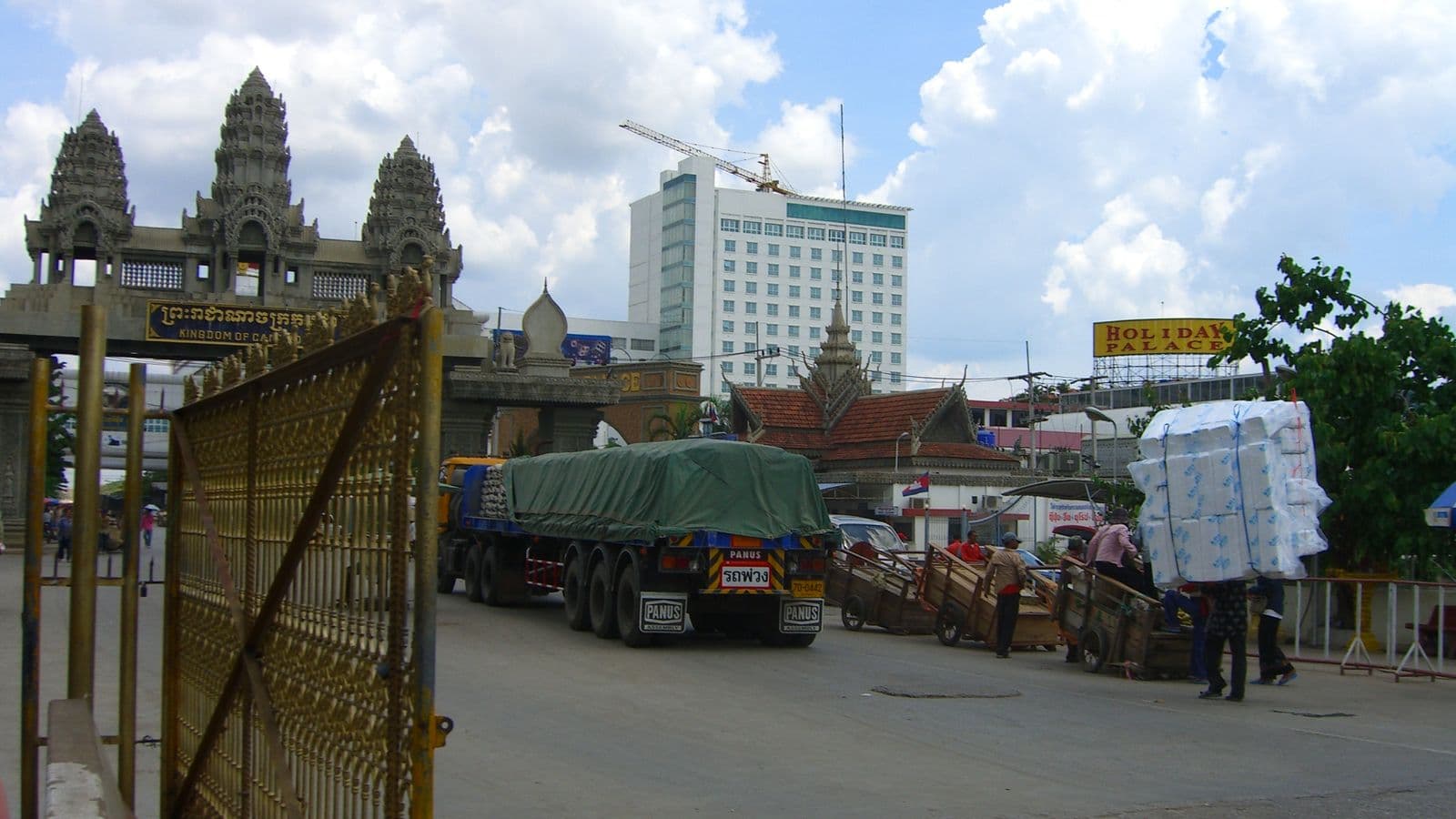
Visa Runs Explained: Why Border Runs Now Fail and What to Use
Why border runs now fail, and the visas to use instead

Do Digital Nomads Pay Tax? Tax Residency Rules Explained
Why the no-tax-residency idea fails, and how nomad tax works

The Tax Trap of Remote Work for a Foreign Company
Paid in dollars at home? Watch for double tax and contractor misclassification.

Digital Nomad Visa to Permanent Residency: Which Ones Count
Which nomad visas count toward PR and a passport, and which do not
Life on the road
Children, health cover, banks and the loneliness nobody posts about.

Digital Nomad With Kids: Family Visas, School and Health
Which nomad visas take your family, and what school and cover need

Digital Nomad Health Insurance: What Visas Require
What each nomad visa demands from your health insurance

Digital Nomad Bank Account and Mailing Address Guide
Keep your bank, your post and your tax position safe on the move

Digital Nomad Loneliness and Burnout: What Helps
Why nomads feel lonely or burnt out, and what really helps
Reality checks: micronations, charter cities and seasteads
Can you really move to Liberland, Próspera or a home at sea? What joining gets you, and what it does not.
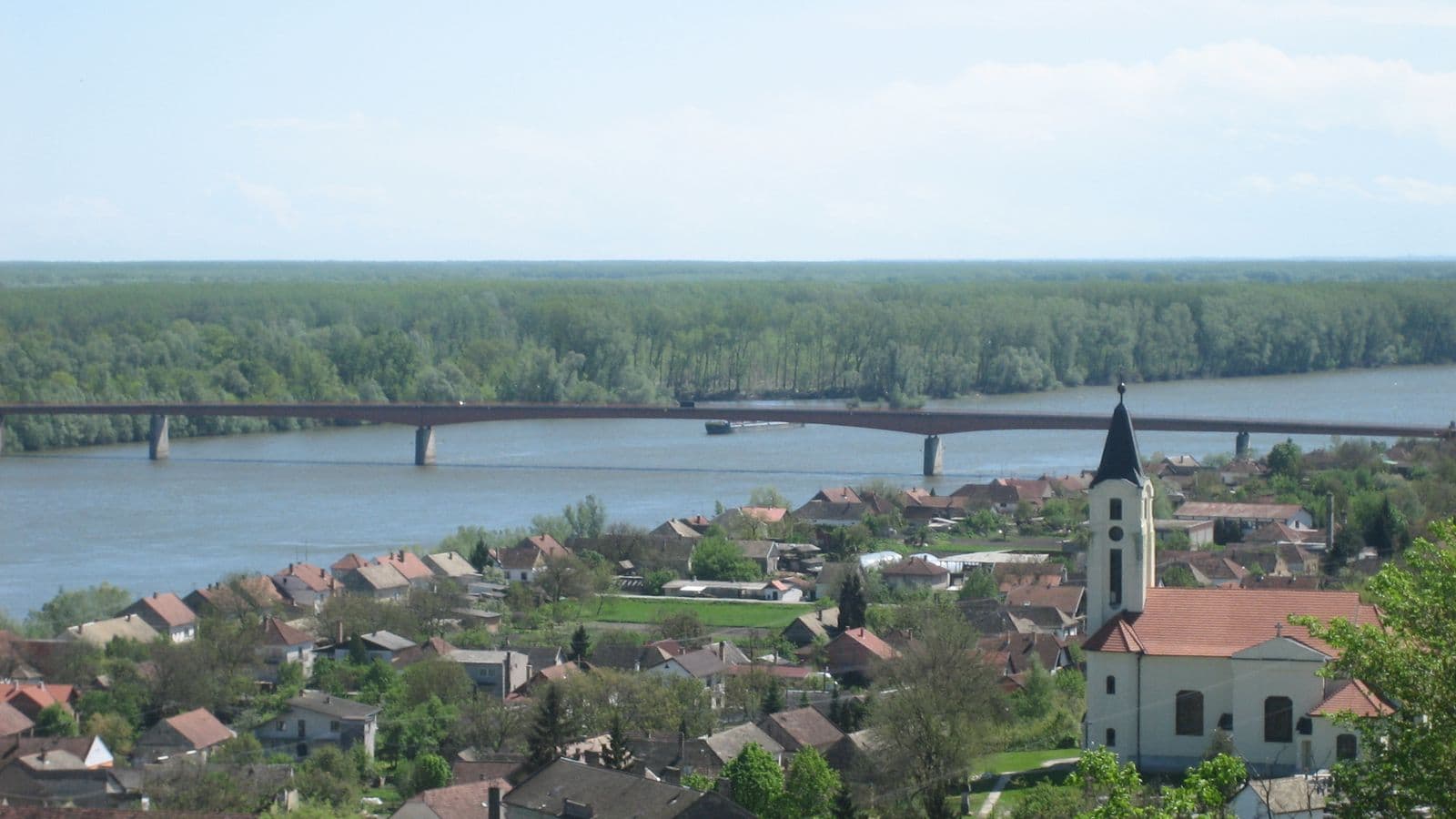
Liberland Citizenship: Can You Actually Move There?
What Liberland citizenship costs, and why it is not a way to move
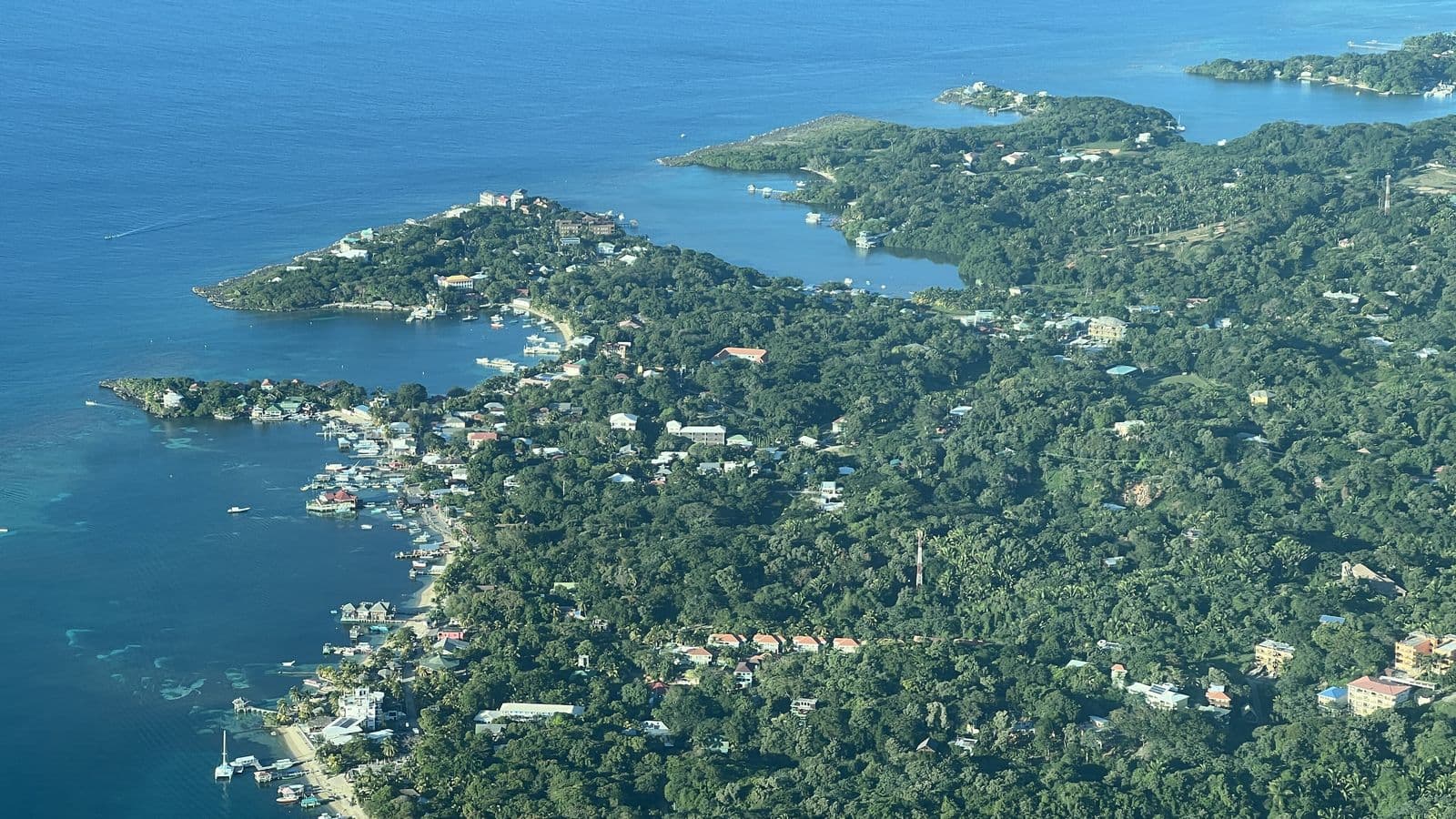
Próspera Honduras Residency: What It Really Gives You
Próspera residency on Roatán: prices, court rulings and real limits

Seasteading: Can You Actually Live at Sea, Free of Any Country?
Seasteading and the law of the sea: can you really live offshore?
Praxis and Network States: What Joining Actually Means
Praxis and network states: what joining gives you, and what not
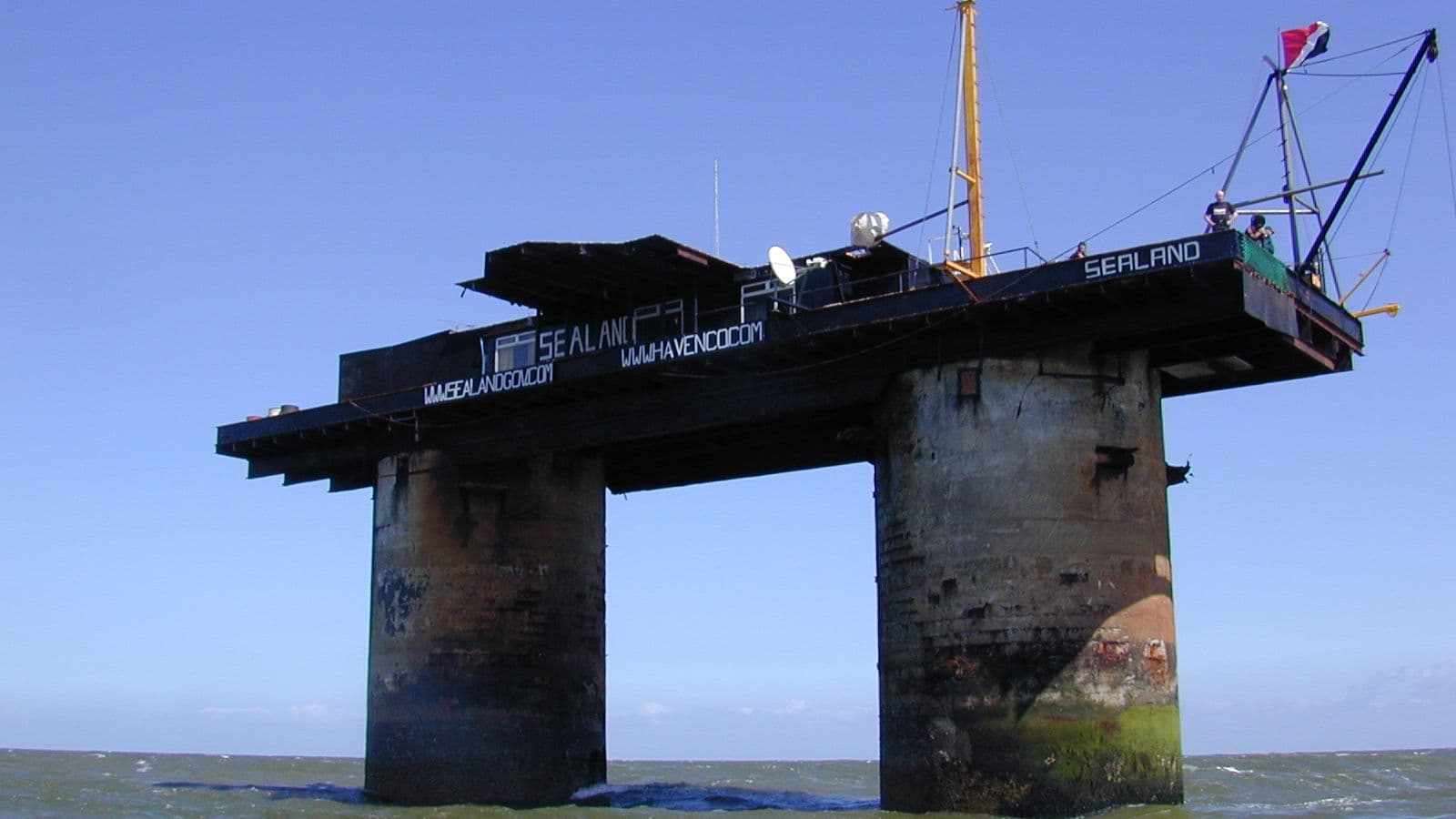
Micronation Passports: Sealand, Liberland and the Scams
Micronation passports from Sealand to Liberland, and the scams
Questions remote workers ask first
- What is a digital nomad visa?
- A permit that lets you live in a country while you work remotely for employers or clients outside it. You usually prove a monthly income, health insurance and a clean record. It is a long stay, not permanent residence, and most do not let you work for local companies.
- Is it legal to work remotely on a tourist visa?
- In most countries it is a grey zone at best. A few, such as Canada and New Zealand, now say a short spell of remote work for a foreign employer is fine on a visitor stay. Most say nothing, and border officers decide. For more than a short trip, a nomad visa is the safe route.
- Do digital nomads pay tax?
- Usually, yes. Spend more than about 183 days a year in one country and you often become tax resident there. US citizens are taxed on citizenship wherever they live. The idea that you can be tax resident nowhere rarely works in practice, and banks report accounts across borders.
- Which digital nomad visa is easiest to get?
- It depends on your income and passport. By income, Ecuador and Brazil have the lowest fixed bars, and Argentina and Uruguay set none. By passport, Japan, Taiwan, Colombia and Argentina only accept certain nationalities. Our free finder checks 28 visas for you.
- Can a nomad visa lead to permanent residence?
- Only a few. Time on Spain's and Portugal's nomad visas can count towards permanent residence, and Mexico's temporary residence leads there after 4 years. Most others, such as Thailand's DTV, Japan's and Croatia's, do not.
General information, not legal, immigration or tax advice. Rules change; confirm with the official source before you apply.
